
A Message of Concern Amid the Blizzard: Stay Safe, Everyone
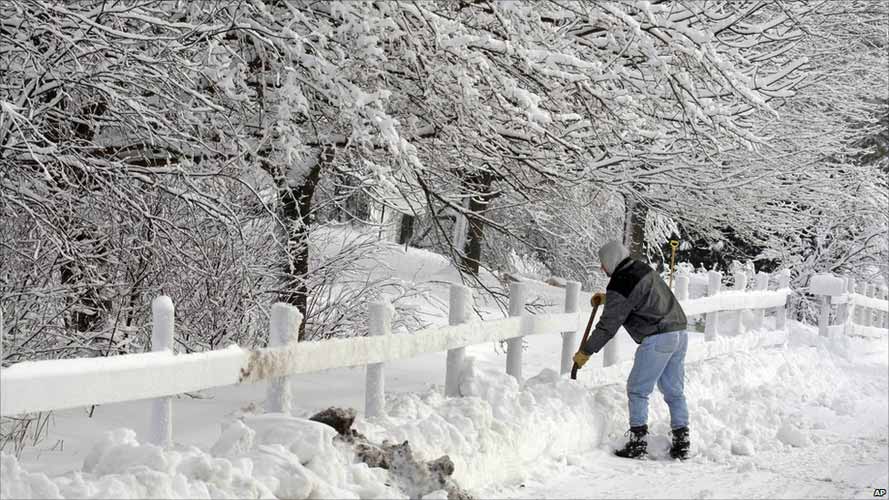
As Winter Storm Finn sweeps across two-thirds of the United States with heavy snow and extreme cold, nearly 200 million people are under severe weather alerts. From afar, our thoughts are with every American friend braving this storm. Labeled "severe to locally catastrophic" by meteorologists, this disaster has prompted 22 states to declare emergencies, bringing far more challenges and hardships than expected.
Right now, the U.S. is facing an extremely harsh test. In Minnesota and North Dakota, temperatures have plummeted to minus 46 degrees Celsius—exposed skin can suffer frostbite in just a few minutes amid the biting wind. In Tennessee, tree branches are snapping under the weight of ice, smashing power lines and leaving tens of thousands of households in the dark to endure the cold; one resident lamented, "We’ve run out of firewood, and we don’t know when the power will come back." At Boston Logan International Airport, 71% of flights have been canceled, totaling over 15,000 grounded flights, completely disrupting countless travel plans. Most heartbreakingly, the storm has claimed at least 30 lives, due to hypothermia, traffic accidents, and other weather-related fatalities, while many homeless individuals struggle to survive in the freezing conditions.
In such extreme weather, safety and warmth are our most urgent priorities. Drawing on reminders from the National Weather Service and rescue agencies, here are some critical safety tips to keep in mind:
Stay Safe at Home: Build a Warm Defense
Stock up on essential supplies. As Atlanta resident Karen worried, getting groceries will be extremely difficult once roads are closed. It’s recommended that every household prepare 3-7 days’ worth of non-perishable food, such as canned goods and instant noodles, along with 1 gallon of bottled water per person per day. If your home still has power, set the refrigerator to its coldest setting; after a power outage, open the door as little as possible to keep food from spoiling.
Prioritize heating safety. Keep space heaters at least 3 feet away from flammable materials, and never use generators or charcoal stoves indoors—there have already been deaths from carbon monoxide poisoning during this storm, so extra caution is a must. If the power goes out and the indoor temperature drops too low, head to a government-operated warming shelter, where you’ll have more reliable protection. Additionally, let faucets drip slightly to prevent pipes from freezing and bursting.
Travel Plans: Avoid Unnecessary Trips
Currently, roads across much of the country are icy, with visibility less than 50 meters. Officials have repeatedly emphasized "no unnecessary travel." If you must drive, be sure to check your battery, antifreeze, and snow gear in advance. Drive at a reduced speed, maintain a safe distance from other vehicles, and slow down even more when passing over bridges and overpasses, which are prone to slipping. Keep emergency supplies in your car, such as blankets, a shovel, and a flashlight, in case you get stranded.
Be flexible with air travel. For those planning to fly, contact your airline 48 hours in advance to confirm your flight status. If your flight is canceled or delayed, stay calm, communicate rationally with the airline, and protect your rights in accordance with the law. Currently, crew scheduling is facing difficulties, and it may take longer for flights to resume—leaving plenty of buffer time is crucial.
Neighborly Support: Warmth Beats the Cold
During extreme weather, elderly people living alone, the ill, and low-income groups are often at greater risk. The experience of 74-year-old Karen, who struggled to stock up on supplies with just $24 in food stamps, highlights the hardships faced by vulnerable communities. Take a moment to knock on your neighbors’ doors to check if they have enough food and heating. If you see homeless individuals on the streets, contact local charities to provide blankets and other assistance. Remember the 311 municipal hotline for non-emergency issues like water or power outages, and dial 911 for emergencies—you can request Chinese language service if needed.
We know the pain of the 2021 Texas cold snap is still fresh in many people’s memories, and the $115 billion economic loss caused by this storm will make post-disaster recovery even more challenging. But from the full-scale rescue efforts of FEMA (Federal Emergency Management Agency) to the volunteers distributing supplies, we see perseverance and mutual aid amid the snow and wind.
Please believe: the storm will eventually pass, and the sun will break through the clouds. May everyone braving this blizzard keep themselves and their families safe, and may the warmth of mutual assistance drive away the extreme cold. We are with you always, and we look forward to the day when the snow calms and life returns to normal.