
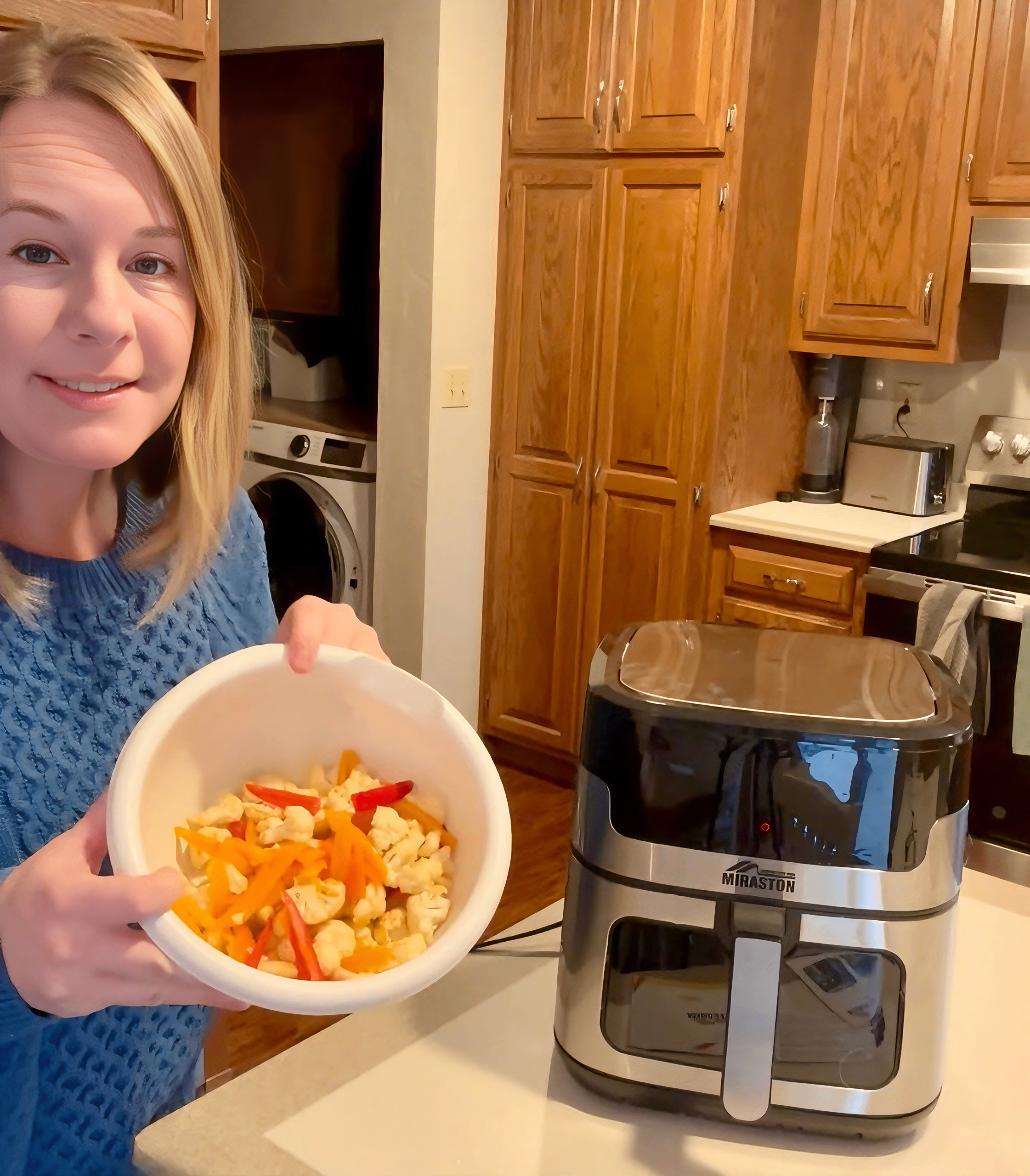
Air Fryer Parchment Paper Mistakes You’re Probably Making—Avoid These Risks! 🥵
If you swear by your air fryer for quick, crispy meals (same here! 🙋♀️), parchment paper is likely your go-to for mess-free cooking. But even “lazy-friendly” tools come with hidden pitfalls—many of us unknowingly misuse this kitchen staple, putting our health (and even safety) at risk. Let’s break down the most common mistakes and how to fix them, backed by food safety experts!
Mistake 1: Buying “No-Name” Parchment Paper 🛑
We get it—cheaper, unbranded parchment paper looks like a steal. But here’s the harsh truth: Without proper labeling, you’re gambling with industrial-grade materials. Shady manufacturers cut corners by using non-food-safe solvents (hello, xylene and toluene!) in the coating layer. When heated, these chemicals seep into your fries, chicken, or veggies—causing nausea short-term and potential 肝肾 damage long-term.
✅ Fix: Always choose products with clear packaging that lists the brand, manufacturer address, and production license number. If it looks like a “mystery sheet” with no info? Leave it on the shelf!
Mistake 2: Ignoring the 20-Minute Rule ⏳
“Just 5 more minutes won’t hurt…” Spoiler: It might! Most parchment paper is rated for max 20 minutes at 230°C (446°F). Air fryers typically hit 200°C (392°F), which is safe—but only if you don’t exceed the time limit. Cook longer than 20 minutes, and the silicone layer starts to melt, releasing chemicals and even sparking a fire risk (yes, really! 🔥).
✅ Fix: Set a timer! For recipes over 20 minutes (like slow-roasted veggies or pulled pork), swap parchment paper for aluminum foil (it handles high heat better) or replace the sheet mid-cook. Your food (and oven/air fryer) will stay safe.
Mistake 3: Reusing Parchment Paper to “Save Money” ♻️❌
We’re all about reducing waste, but reusing parchment paper is a big no-no. After one use, the silicone layer is worn thin—scratched, stained, or compromised by oil and heat. Reheating it means the damaged layer can’t protect your food from harmful residues, and it’s more likely to stick, tear, or leach chemicals.
✅ Fix: Treat parchment paper as single-use! Stock up on affordable packs (they’re worth the investment) and toss used sheets after cooking. Your health isn’t worth skimping on a $5 pack of safe paper.
Mistake 4: Using It for Super Hot Foods 🥩
Parchment paper is great for cookies, fish, or veggies—but not for searing steak, roasting sweet potatoes, or baking at temps over 230°C. These high-heat foods push the paper past its limits, melting the silicone and ruining your meal (plus the safety risk!).
✅ Fix: Reach for aluminum foil or heat-resistant ceramic liners for high-temp cooking. Foil is designed to withstand extreme heat, so you can get that perfect crust on your steak without worrying about chemical leaching.
Mistake 5: Skipping the Execution Standard Check 📋
Not all “food-contact” parchment paper is created equal! The only way to guarantee safety is to check for compliance with GB4806.8—2022 (China’s national standard for food-contact paper). Some brands use enterprise standards—and that’s okay, as long as those standards meet or exceed the national mandatory rules. No standard listed? It’s a red flag.
✅ Fix: Flip the package and look for the standard number. If it’s missing, put it back. Safe parchment paper isn’t just convenient—it’s tested to protect you!
Final Pro Tip: When in Doubt, Test It! 🧪
If you’re unsure about a parchment paper’s safety, do a quick “sniff test” before use. If it smells like chemicals or plastic right out of the package, toss it—safe paper should be odorless. And if you ever have questions, contact a quality inspection institute (like Hubei’s 027-59370530/59370539) for guidance.
Parchment paper is a kitchen hero—when used correctly! Avoid these mistakes, and you’ll enjoy crispy, safe meals with zero scrubbing. Happy cooking (and stay safe)! 😋🍟